Why Modern Food Safety Standards Mandate Non-Hazardous Chemical Refining for Cooking Oils
Date: Jul 10, 2026
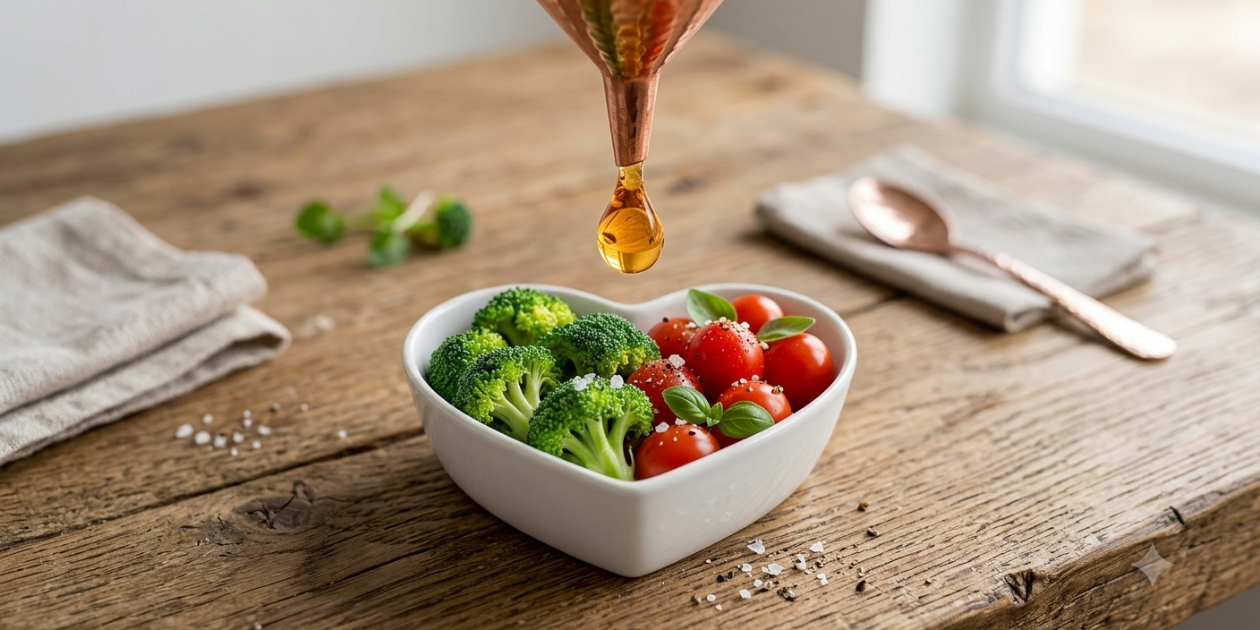
Global food safety regulations have changed dramatically as consumer awareness regarding long-term health hazards continues to rise. In the past, industrial processing focused heavily on maximizing product quantity while ignoring the residual chemical buildup left behind by aggressive refining methods.
Today, international health regulatory bodies strictly monitor how edible oils are processed before they ever reach retail grocery shelves. Implementing green, non-hazardous refining methodologies has transformed from a voluntary manufacturing choice into a strict regulatory requirement worldwide.
Setting International Quality Benchmarks
Maintaining absolute structural safety throughout the complex multi-stage refining process requires a heavy corporate investment in advanced manufacturing technologies. Leading the local food processing industry by adopting these global safety frameworks, the manufacturing plants at Madina Private Limited focus entirely on clean raw processing.
By eliminating toxic solvents and industrial neutralizing agents from their primary pipelines, the company keeps the natural properties of the seed extracts intact. This rigid approach ensures that every single batch produced meets the highest quality benchmarks established by global food standard agencies.
The Chemistry of Safe Neutralization
Raw vegetable oils naturally contain free fatty acids, trace phosphatides, and volatile odor compounds that must be carefully extracted to make the product suitable for human consumption. Traditional refining techniques often used harsh synthetic acids to strip these impurities away quickly, which unfortunately left toxic chemical traces behind.
Modern food safety standards mandate replacing these aggressive substances with biodegradable, food-grade organic compounds that neutralize impurities without leaving synthetic residues. This advanced chemical management system stops the formation of dangerous process contaminants, guaranteeing that the finished cooking oil remains structurally pure.
Advanced Deodorization and Bleaching Systems
High-temperature deodorization is a critical phase where volatile odors and pesticide residues are completely stripped from the liquid fats. If this process is managed using low-tier equipment, the extreme heat can accidentally alter the oil's molecular bonds, creating hazardous trans-fatty structures.
To prevent these manufacturing errors, modern food factories use gentle, multi-stage vacuum systems that remove impurities at lower, strictly controlled temperatures. Consumers can explore the complete lineup of ultra-pure, scientifically deodorized products by visiting the Madina Private Limited Product Portfolio.
Safeguarding Consumer Health via Educational Outreach
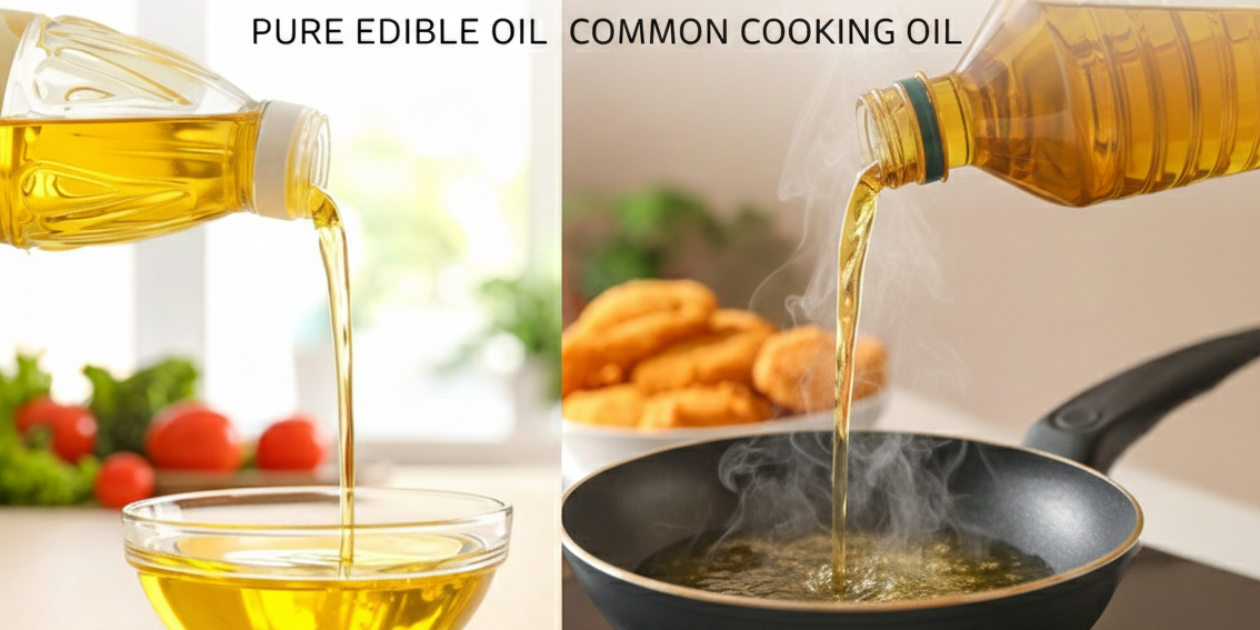
Transitioning an entire industrial sector toward non-hazardous processing requires constant communication to help everyday consumers distinguish between premium products and low-tier options. Many buyers mistakenly assume all clear liquids are identical, completely unaware of the industrial chemical treatments used behind the scenes.
To bridge this information gap, food scientists regularly publish detailed guides on trace metal extraction and natural dewaxing methods. Families can access a comprehensive library of nutritional guides and processing explanations by visiting the Madina Private Limited Blog Hub.
Securing Supply Chains for Commercial Sourcing
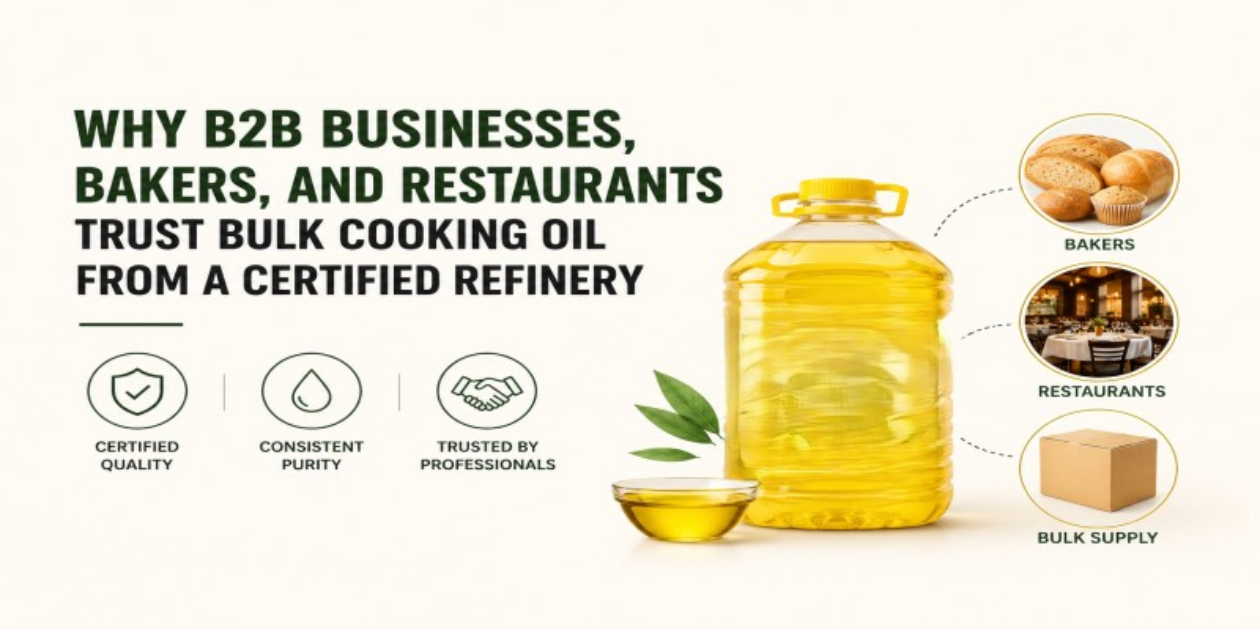
As independent restaurants, mass bakeries, and commercial food networks scale up their operations, maintaining consistent ingredient purity becomes a major operational challenge. Utilizing poorly refined bulk oils can ruin product taste, shorten shelf life, and expose commercial brands to serious regulatory fines.
Securing bulk shipments from a certified, non-hazardous refinery is the most effective way for commercial food ventures to protect their corporate reputations. Industrial buyers and commercial procurement managers can easily arrange certified bulk deliveries and request detailed chemical analysis sheets by visiting the official Madina Private Limited Contact Portal.
Conclusion
Ultimately, moving away from hazardous chemical refining is an essential step toward building a healthier, disease-free society. Eliminating industrial chemical residues from our daily cooking mediums protects vulnerable households from chronic health conditions caused by long-term toxic accumulation.
By embracing advanced, non-hazardous physical and chemical refining methodologies, modern manufacturers protect both consumer health and traditional culinary authenticity. Choosing pure, scientifically verified processing standards ensures that every meal cooked supports human wellness, longevity, and total food security
Share on Social Media
Recommended For You



Readers Also Viewed These Articles

