Top 7 Cooking Oils Compared: Which One Should You Choose in 2026?
Date: Apr 20, 2026
Choosing the right cooking oil has become more important than ever as people grow more health-conscious in 2026. With so many options available, it can be confusing to decide which oil suits your cooking style and health needs. At Madina Pvt Ltd., we believe that understanding the differences between oils helps you make smarter and healthier choices for your kitchen.
Why Choosing the Right Oil Matters
Cooking oils differ in fat composition, smoke point, and nutritional value. Some oils are better for frying, while others are ideal for salads or light cooking. The right choice depends on your lifestyle, diet goals, and cooking habits.
1. Sunflower Oil
Sunflower oil remains a popular choice due to its light texture and high vitamin E content. It has a high smoke point, making it suitable for frying and deep cooking. However, it should be consumed in moderation to maintain a balanced intake of fatty acids.
2. Olive Oil
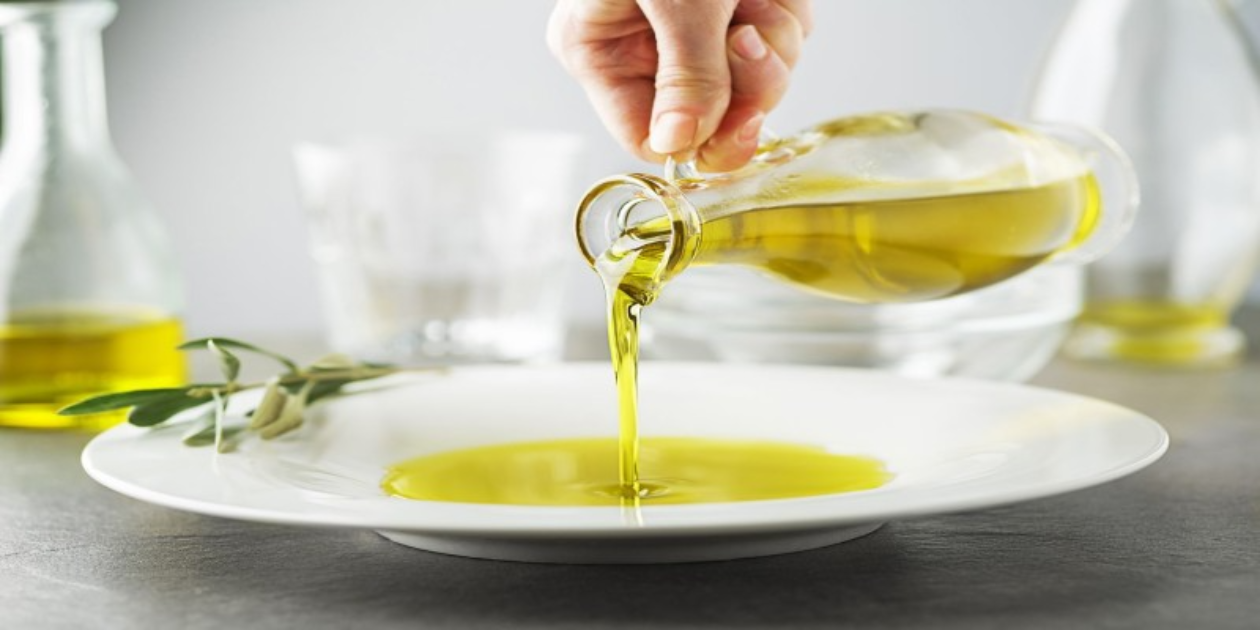
Olive oil, especially extra virgin, is known for its heart-healthy monounsaturated fats. It’s perfect for salads, dressings, and low-heat cooking. While highly nutritious, it may not be the best option for deep frying due to its lower smoke point.
3. Canola Oil
Canola oil is low in saturated fat and contains omega-3 fatty acids. It is a versatile oil suitable for baking, sautéing, and frying. Its neutral flavor makes it a favorite in many households.
4. Coconut Oil
Coconut oil is rich in saturated fats and is often used in baking and traditional cooking. While it adds a distinct flavor, it should be used in limited amounts due to its high saturated fat content.
5. Mustard Oil
Widely used in South Asian cooking, mustard oil has a strong flavor and contains beneficial compounds. It is often preferred for traditional dishes and offers antimicrobial properties.
6. Soybean Oil
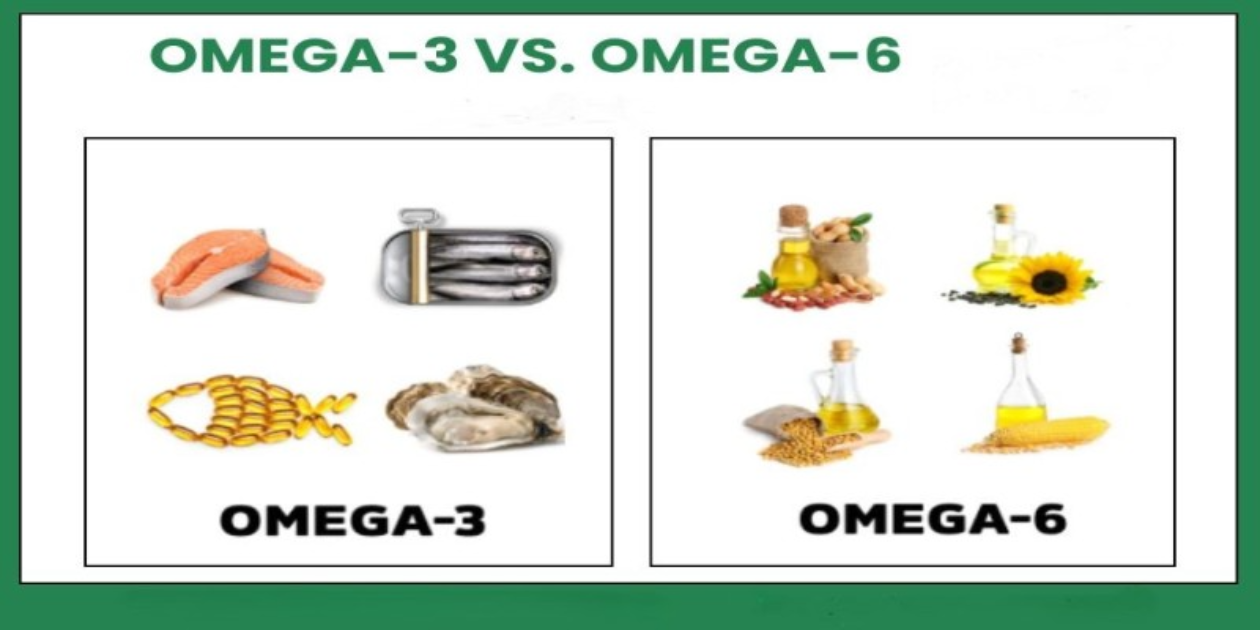
Soybean oil is affordable and commonly used in processed foods. It contains polyunsaturated fats but should be consumed in moderation to avoid excessive omega-6 intake.
7. Blended Oils
Blended oils combine the benefits of multiple oils to provide a balanced nutritional profile. Many modern consumers in 2026 prefer blends for everyday cooking as they offer versatility and improved health benefits. Companies focusing on Sustainability are also ensuring these blends are produced responsibly.
Which Oil Should You Choose?
There is no single “perfect” oil. The best choice depends on your cooking needs:
- For frying: Sunflower or blended oils
- For heart health: Olive or canola oil
- For traditional cooking: Mustard oil
- For flavor: Coconut oil
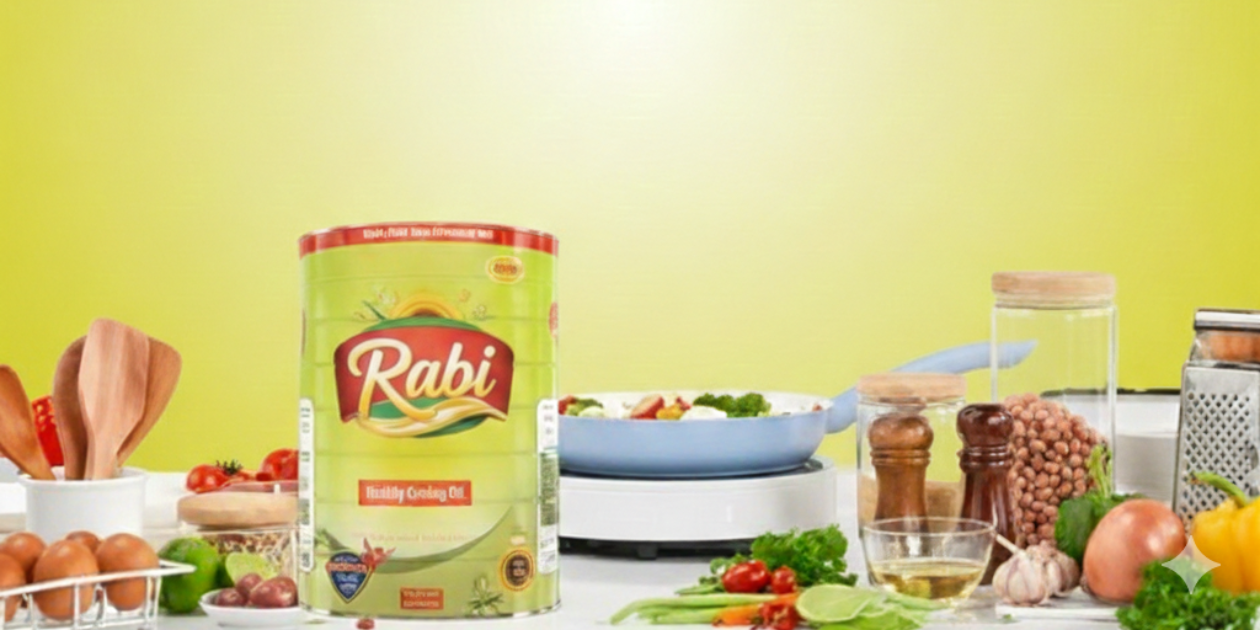
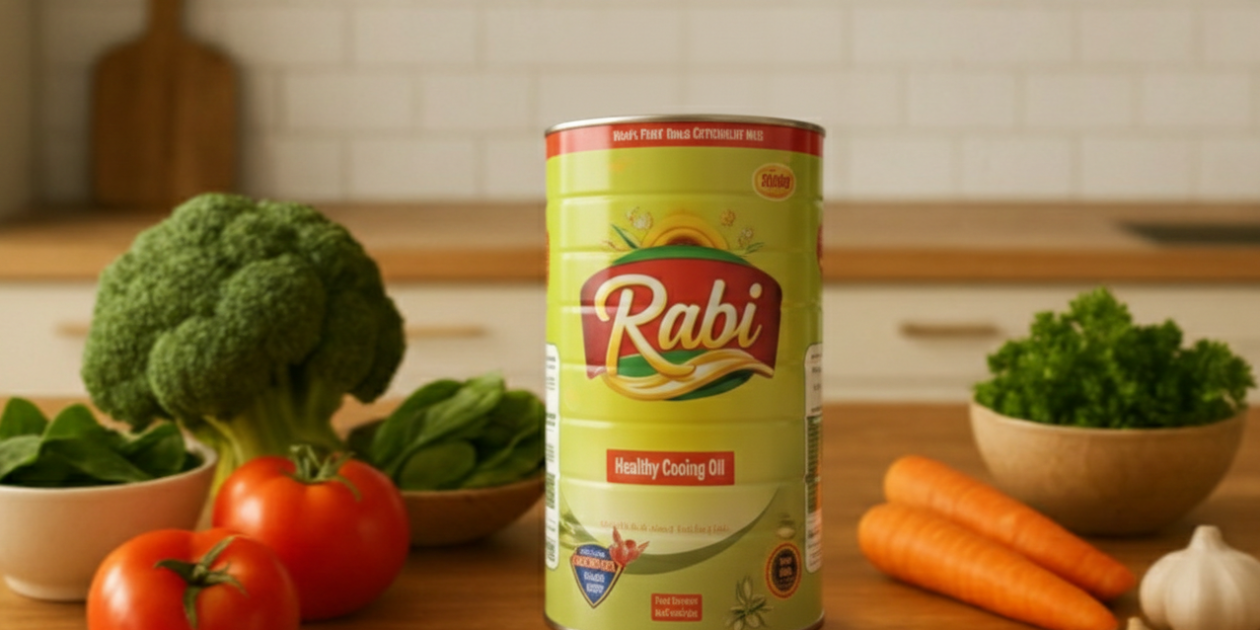
High-quality options like those available in our Rajhi oil and our product Rabi Oil range ensure better taste, nutrition, and reliability.
Conclusion
In 2026, choosing the right cooking oil is no longer just about taste; it’s about supporting your overall health and making sustainable choices. Rather than relying on a single type of oil, experts suggest rotating between different oils or using balanced blends to get a wider range of nutrients. Small, informed decisions in your kitchen can have a lasting impact on your well-being. By selecting quality oils, using them wisely, and maintaining moderation, you can enjoy healthier meals while supporting a balanced and responsible lifestyle.
Share on Social Media
Recommended For You











Readers Also Viewed These Articles

