Can Cooking Oil Prices Stay Stable? Understanding Global Supply Chains, Imports & Pakistan’s Kitchen Economy
Date: Aug 12, 2026
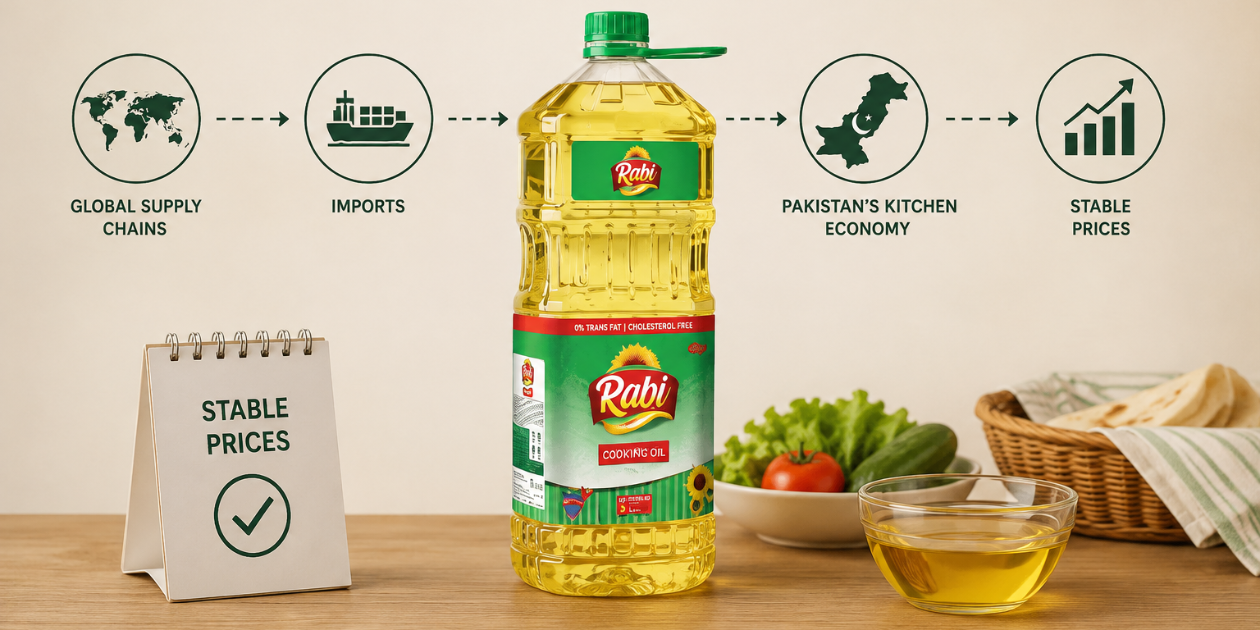
Few kitchen staples impact household budgets in Pakistan as directly as cooking oil and banaspati ghee. From daily home-cooked meals to large-scale food manufacturing, edible oils form the backbone of the national diet. However, consumers frequently ask whether cooking oil prices can ever remain truly stable.
To understand edible oil pricing, one must look beyond local retail shelves and analyze global commodity markets, international shipping routes, and the realities of Pakistan’s import-dependent economy.
Global Supply Chains and Import Reliance
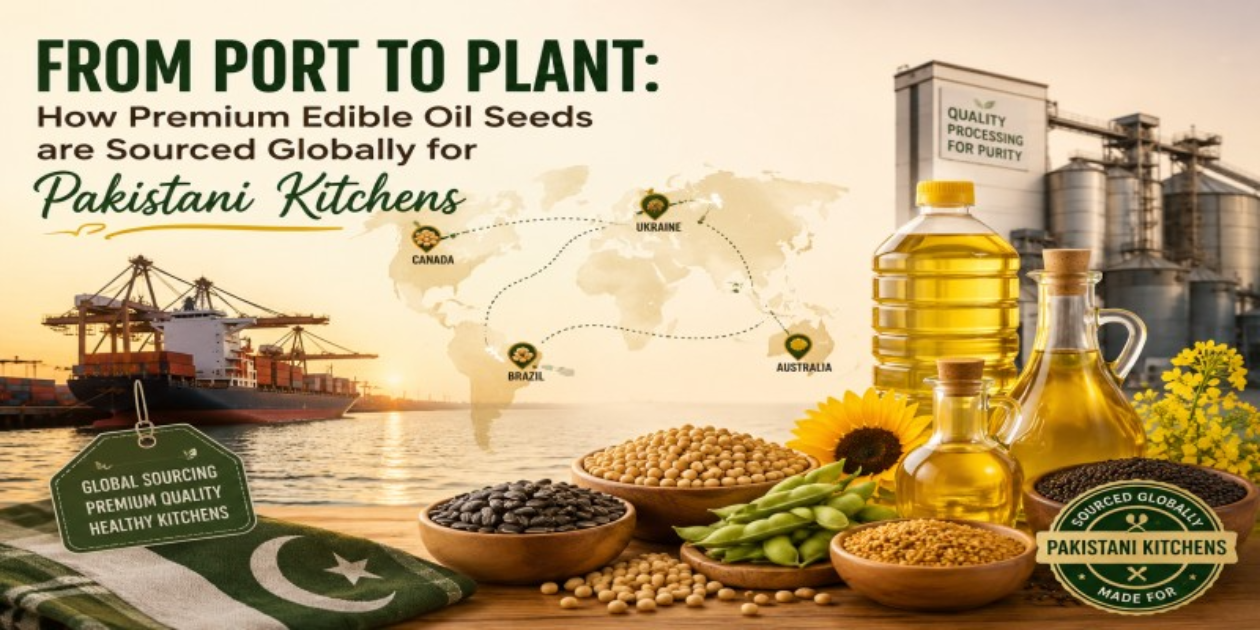
Pakistan relies heavily on international markets to fulfill its domestic edible oil consumption. With local oilseed production meeting only a fraction of total national demand, the country imports massive volumes of crude palm oil, soybean oil, and oilseeds annually.
The Role of Palm Oil and Crude Imports
The vast majority of Pakistan's palm oil imports originate from major producing nations like Indonesia and Malaysia. Because palm oil is priced in foreign currencies on international commodity exchanges, local prices fluctuate whenever global market dynamics shift.
Currency Exchange and Shipping Costs
Global supply chain disruptions, fluctuating freight rates, and currency devaluation directly impact import costs. When international shipping costs rise or the local currency depreciates against the US dollar, foreign trade costs increase, placing upward pressure on retail prices.
Navigating Market Volatility with Local Infrastructure
While external factors dictate raw material costs, domestic processing capacity and supply chain infrastructure determine how effectively companies cushion consumers against sudden price shocks.
Strategic Refining and Processing Capabilities
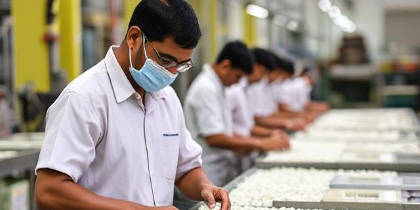
Advanced processing facilities play a critical role in maintaining market supply. Refineries equipped with modern technologies can process imported crude oils efficiently, minimizing operational waste and energy consumption. Established manufacturers like Madina Pvt Ltd. leverage high-capacity refining units to streamline processing, ensuring steady output across urban and rural markets.
Robust Nationwide Logistics
A stable supply chain relies on structured logistics. Moving refined cooking oil from coastal import terminals to distribution hubs across the country requires dependable transport networks. Strategic distribution hubs ensure that regional market shortages are avoided, keeping retail inventory consistent even during tight supply cycles.
The Impact on Pakistan’s Kitchen Economy
Edible oil prices directly affect the daily household budget, forming a significant portion of monthly grocery spending. Price stability in the edible oil sector is essential for broader economic predictability.
Managing Household Expenditure
When prices fluctuate sharply, families are forced to adjust spending across other essential categories. Stable retail pricing allows households to plan monthly budgets with confidence, supporting overall economic stability.
Consumer Support and Corporate Accessibility
Maintaining transparent lines of communication between consumers, distributors, and manufacturers builds trust during uncertain economic periods. Individuals, retailers, or commercial partners seeking direct engagement or distribution inquiries can reach out through official channels like Contact us to coordinate directly with regional sales and supply networks.
Developing Long-Term Stability for the Edible Oil Sector
Achieving sustainable price stability for cooking oil requires a multi-pronged approach involving policy, domestic agriculture, and industry knowledge sharing.
Expanding Local Oilseed Cultivation
Reducing long-term reliance on foreign imports requires increasing local farming output of oilseed crops such as canola, sunflower, and mustard. Government incentives and agricultural investments can help farmers transition toward higher-yielding oilseed varieties, gradually increasing domestic self-reliance.
Educating Stakeholders on Market Trends
Transparency across the supply chain helps commercial buyers and consumers navigate price movements. Leading industry players help bridge the information gap by publishing market updates, agricultural analysis, and operational insights through active corporate channels and their official blog.
Conclusion
Can cooking oil prices stay completely stable? In a globalized economy, short-term price fluctuations will always occur due to international market movements, trade policies, and weather patterns in producing nations. However, long-term stability in Pakistan can be strengthened by expanding local oilseed farming, optimizing domestic refining efficiency, and maintaining strong distribution networks
Share on Social Media
Recommended For You













Readers Also Viewed These Articles

