How MPL is Reducing Its Carbon Footprint in Food Production
Date: Feb 04, 2026
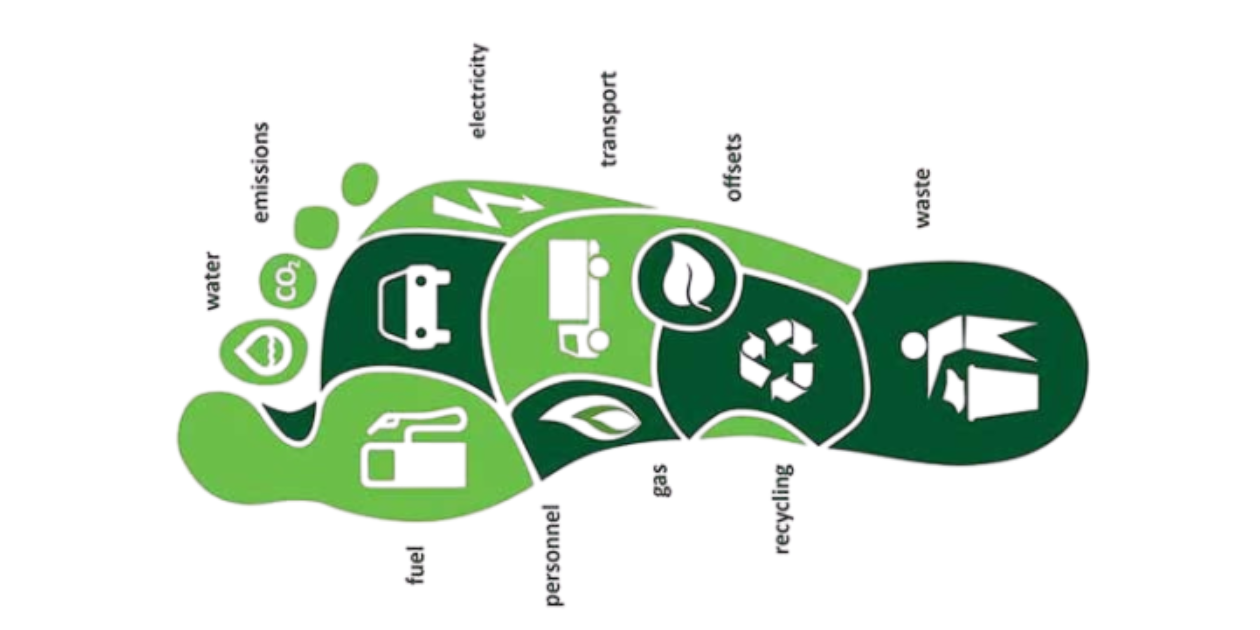
In today’s world, sustainability is no longer a choice it’s a responsibility. As one of Pakistan’s leading FMCG companies, Madina Pvt. Ltd. (MPL) understands the importance of protecting the environment while delivering high-quality cooking oil and banaspati. Our commitment to reducing our carbon footprint in food production is central to how we operate, innovate, and grow.
Why Carbon Footprint Matters in FMCG
Food production is one of the most resource-intensive industries in the world. From farming raw materials to processing, packaging, and distribution, every stage can impact the environment. By focusing on carbon reduction strategies, MPL ensures that we are not only producing healthier products for families but also making choices that benefit future generations.
Steps MPL is Taking to Reduce Its Carbon Footprint
Energy-Efficient Manufacturing
We have invested in energy-efficient equipment and technologies to reduce unnecessary power consumption. By upgrading to modern machinery, we minimize emissions while ensuring the purity and quality of our oils and banaspati remain uncompromised.
Renewable Energy Initiatives
MPL is gradually shifting towards renewable energy sources, including solar power, to reduce reliance on fossil fuels. This transition not only cuts emissions but also creates a more sustainable production system.
Sustainable Packaging
Plastic packaging contributes significantly to carbon emissions and waste. To combat this, MPL is adopting recyclable and biodegradable packaging solutions. This step reduces landfill waste and supports a circular economy.
Water & Resource Management
Efficient use of water and raw materials is a priority. Through modern water treatment systems and resource-saving practices, we ensure that production remains eco-friendly while conserving vital resources.
Supply Chain Optimization
Carbon emissions don’t stop at the factory. By working with local suppliers and farmers, MPL reduces long-distance transportation needs. We also optimize logistics to ensure fewer trips, which means less fuel usage and fewer emissions.
Sustainable Sourcing from Farmers
Our partnerships with local farmers emphasize sustainable farming practices such as soil conservation, crop rotation, and reduced pesticide use. These practices lower overall environmental impact and help build a greener supply chain.
MPL’s Long-Term Sustainability Goals
By 2030, MPL aims to:
- Cut its carbon footprint by 30% across all operations.
- Transition to 100% recyclable or biodegradable packaging.
- Source 80% of raw materials from sustainable farms.
- Expand CSR initiatives to positively impact 50,000+ lives in local communities.
A Greener Future with MPL
At MPL, sustainability is woven into every step of our journey from the farms we partner with to the cooking oil and banaspati ghee we bring to your table. By reducing our carbon footprint in food production, we are not only protecting the environment but also creating healthier, more sustainable choices for families across Pakistan. Discover how MPL is reducing its carbon footprint through renewable energy, sustainable packaging, and eco-friendly production. Read MPL’s blog for more details.
Share on Social Media
Recommended For You






















Readers Also Viewed These Articles

