Smart Cooking in 2026: How Pakistani Families Can Reduce Oil Waste Without Changing Their Favorite Foods
Date: Aug 26, 2026
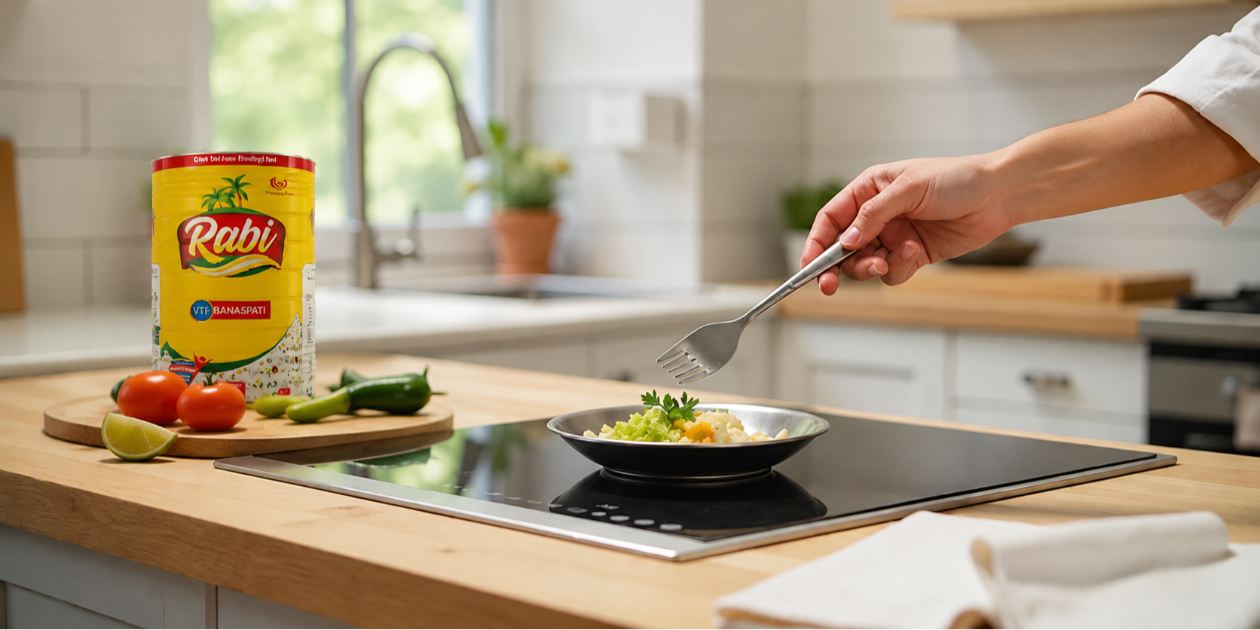
As household grocery budgets evolve in 2026, kitchen efficiency has become a top priority for families across Pakistan. From crispy evening pakoras and rich karahis to everyday handis, banaspati ghee and cooking oil remain indispensable to Pakistani culinary traditions.
However, managing kitchen expenses doesn't mean sacrificing authentic flavors or beloved family recipes. By understanding modern culinary techniques and smart oil management, Pakistani households can significantly reduce oil waste while keeping every meal just as delicious.
Mastering the Science of Oil Temperature
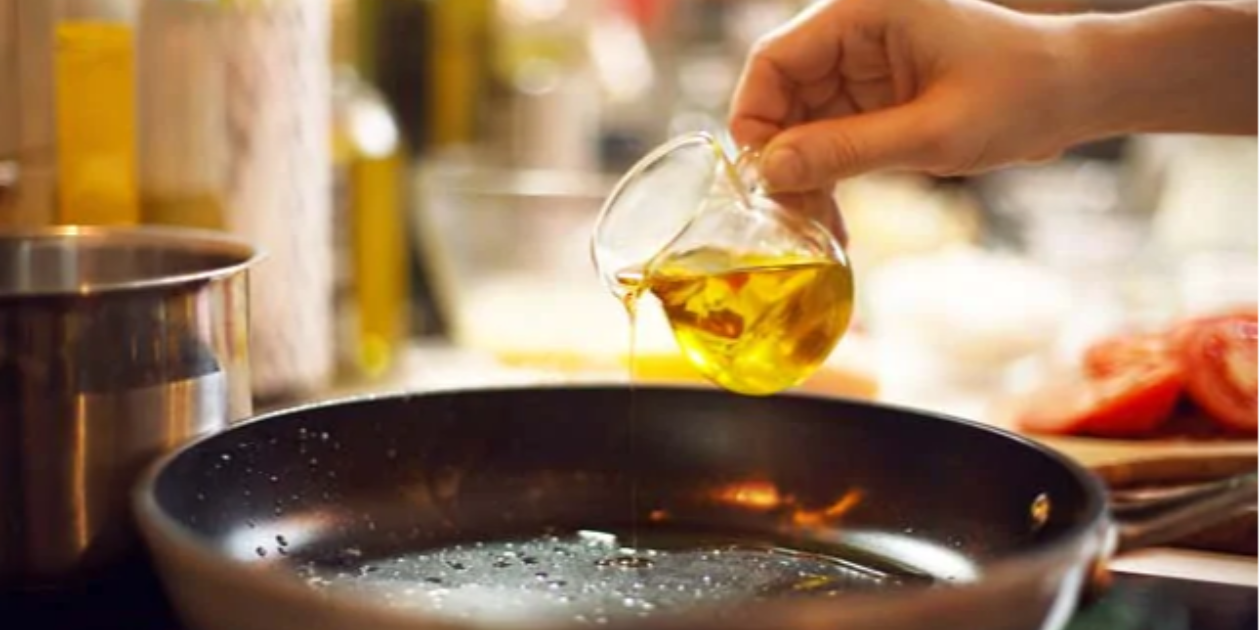
One of the biggest contributors to unnecessary oil consumption in Pakistani homes is improper oil temperature during deep frying or initial handi preparation.
Preventing Excess Absorption During Frying
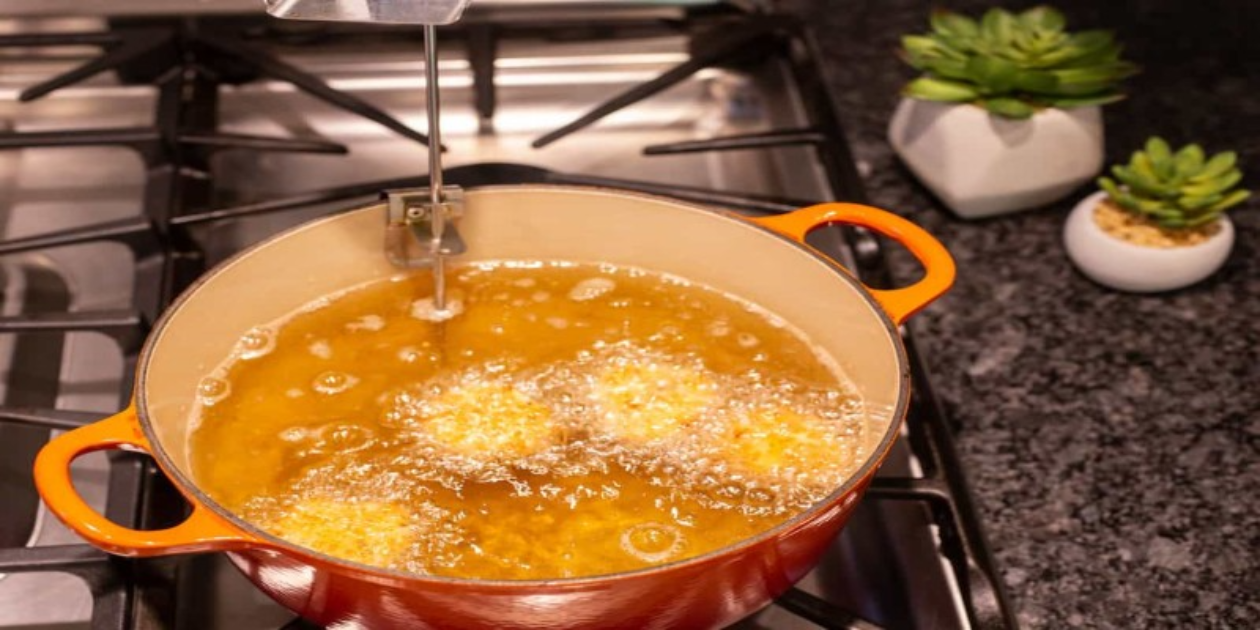
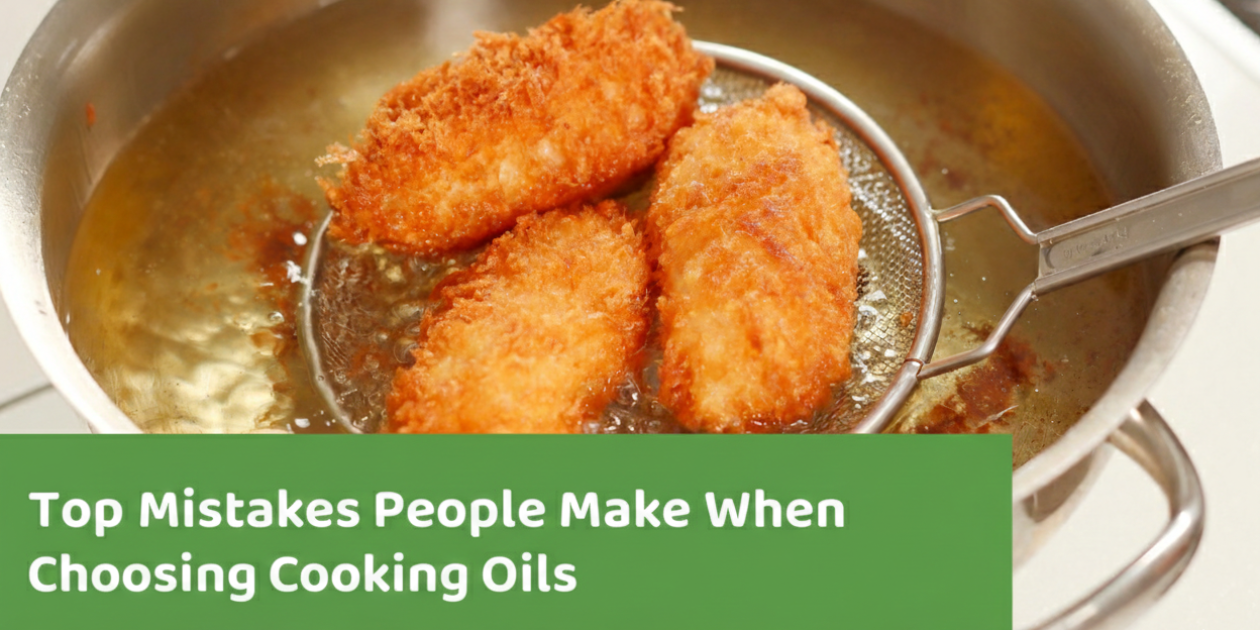
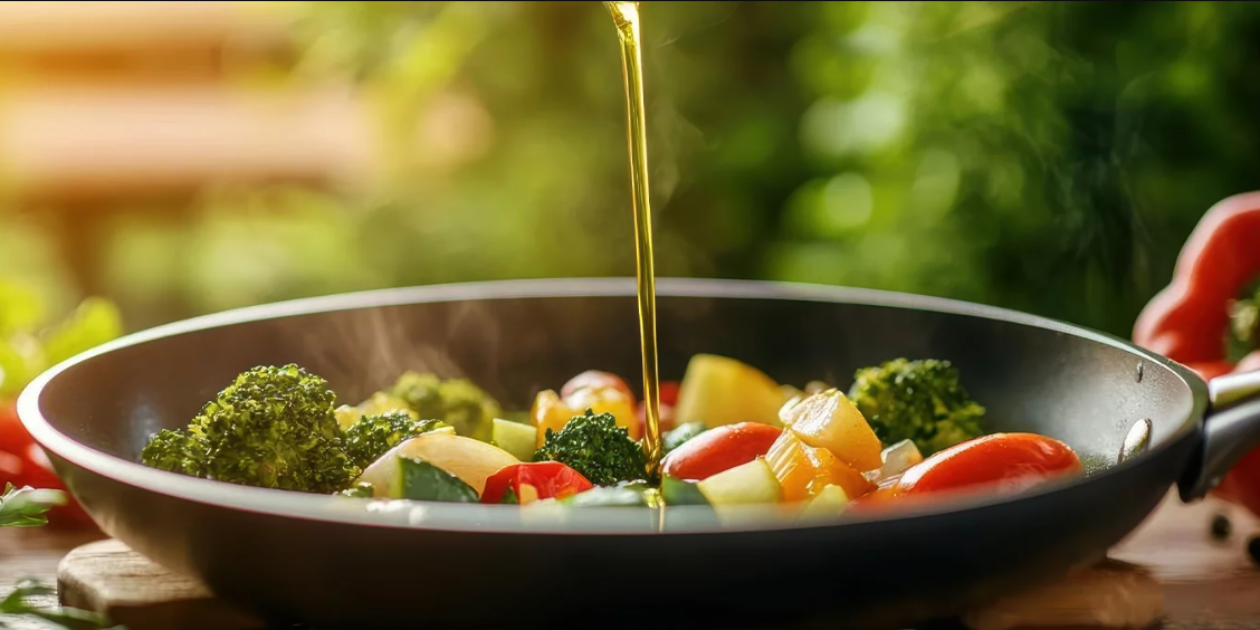
When frying traditional snacks like samosas or fried fish, placing food in oil that isn't hot enough causes the food to act like a sponge. Cold oil seeps directly into the batter or dough before the outer crust can seal. Preheating cooking oil to the optimal temperature creates an instant outer barrier, keeping the inside tender while drastically reducing the amount of oil absorbed into the food.
Reusing Cooking Oil Safely
Reusing frying oil without proper handling leads to breakdown, unpleasant odors, and smoke. To extend the usability of your cooking oil safely:
- Always strain leftover oil through a fine mesh filter or cheesecloth once cooled to remove burnt food particles.
- Store filtered oil in a sealed glass container away from direct sunlight and moisture.
- Avoid combining used oil with fresh oil to maintain consistent smoke points and quality.
Choosing High-Purity Oils for Better Kitchen Yield
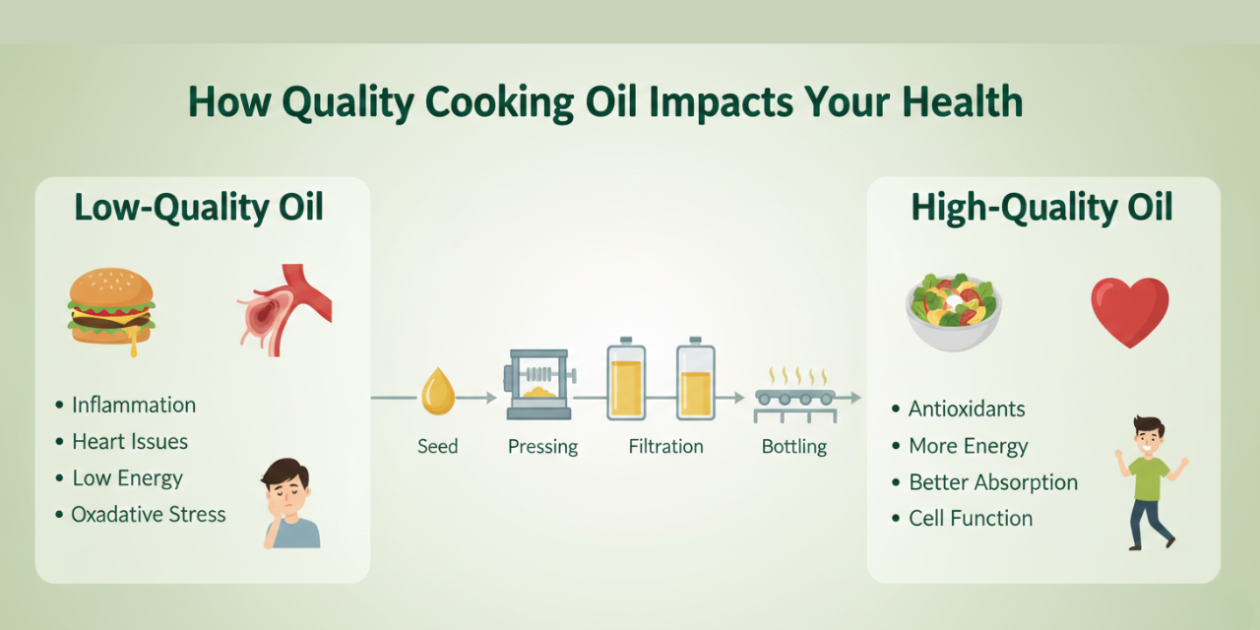
Not all cooking oils perform equally when exposed to high heat. Quality refinement directly impacts how much oil is consumed during daily cooking cycles.
The Role of Precision Refined Edible Oils
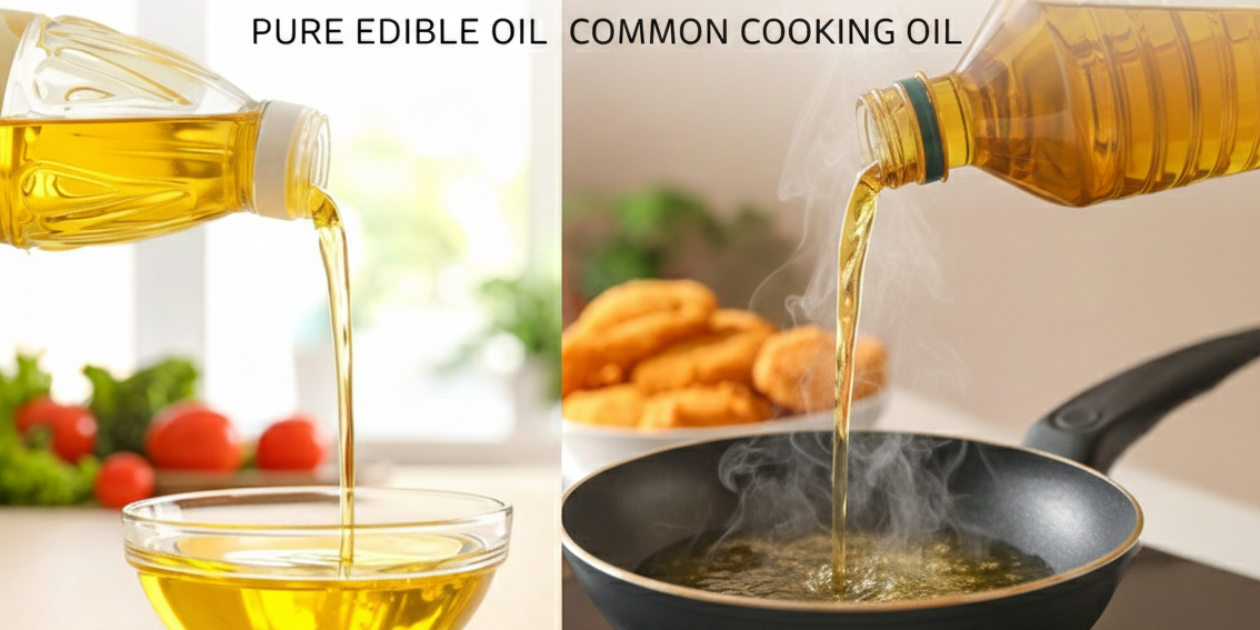
High-grade, highly refined cooking oils have superior stability and higher smoke points. This means the oil breaks down less during heavy cooking sessions, generating less residue and allowing cooks to use smaller quantities per dish.
Relying on Trusted Processing Standards
Using pure, double-refined oil ensures that meals absorb less grease without losing their rich taste. Reputable manufacturers like Madina Pvt Ltd. focus on advanced refining techniques to supply households with pure, heat-stable cooking oils and banaspati ghee that deliver great taste with maximum efficiency.
Modern Kitchen Hacks to Cut Oil Usage
Adopting small, practical habits during daily meal preparation yields noticeable reductions in monthly oil consumption over time.
Upgrading Cookware for Daily Meals
Switching to heavy-bottomed or non-stick pans for daily salan and bhuna bases allows you to sauté onions, garlic, and spices using up to 40% less oil. Heavy cookware distributes heat evenly, preventing spices from sticking or burning without requiring excessive oil floating on top.
Par-Boiling and Air-Drying Ingredients
Before frying potatoes, vegetables, or meats, par-boiling them briefly reduces their time in the frying pan. Additionally, dabbing wet ingredients dry with clean kitchen towels before frying prevents oil splattering and ensures rapid, crisp browning with minimal oil retention.
Staying Informed on Smart Kitchen Practices
Building an efficient kitchen economy is an ongoing journey that blends traditional cooking wisdom with modern nutritional awareness.
Engaging with Food Safety and Nutrition Insights
Staying updated on healthy cooking practices, oil storage guidelines, and nutritional trends helps families make informed decisions about their daily diet and grocery management.
Accessing Community Resources and Recipes
Leading brands actively support households by sharing practical cooking tips, storage guidelines, and balanced recipes. Exploring specialized updates, culinary advice, and health-focused content on active platforms and corporate blogs empowers home cooks to run smarter, healthier kitchens.
Direct Support for Wholesale and Commercial Inquiries
For commercial food operators, caterers, or bulk buyers aiming to optimize kitchen costs across larger scales, reaching out through official channels like Contact Us offers direct access to supply solutions, bulk pricing, and commercial product guidance.
Conclusion
Smart cooking in 2026 isn't about giving up your family's favorite dishes; it's about cooking them with greater precision. By managing frying temperatures, choosing heat-stable refined oils, utilizing modern cookware, and adopting smart kitchen habits, Pakistani households can enjoy rich, authentic flavors every day while minimizing waste and stretching their grocery budget further
Share on Social Media
Recommended For You




Readers Also Viewed These Articles

