Top Mistakes People Make When Choosing Cooking Oils
Date: Dec 25, 2025
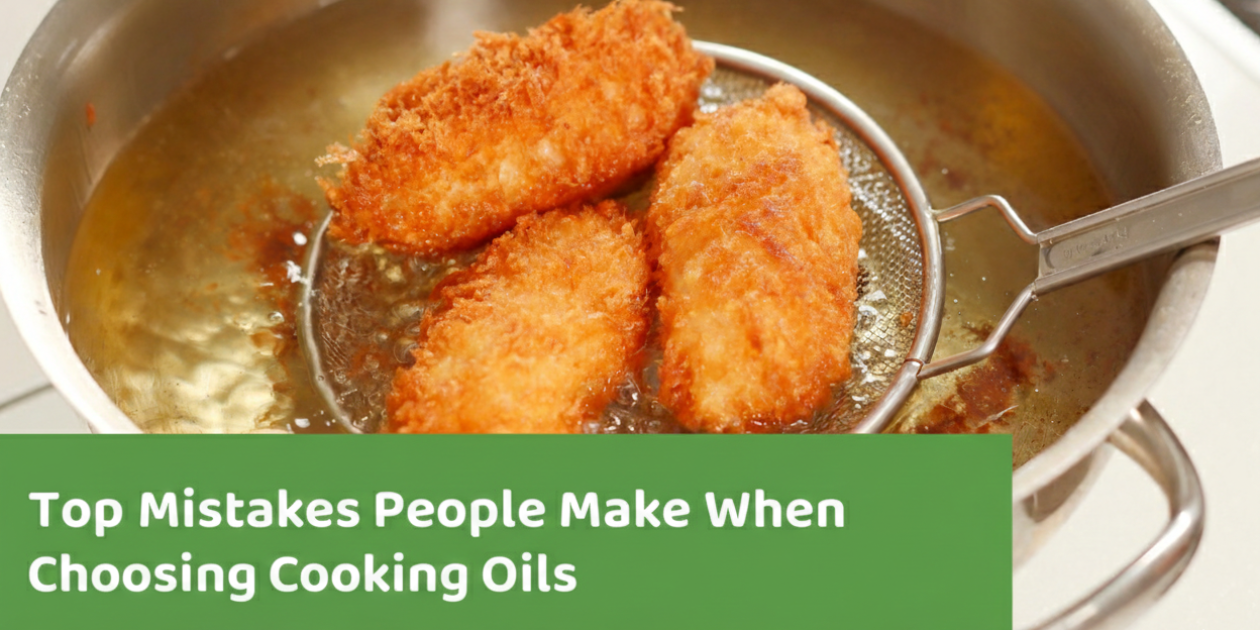
Choosing the right cooking oil seems simple, but many families unknowingly make unhealthy decisions in the kitchen. With so many options on store shelves, refined, cold-pressed, olive, canola, mustard, it’s easy to get confused. The oil you use every day directly affects heart health, digestion, growth, and overall wellness. Unfortunately, a few common mistakes can turn a healthy meal into an unhealthy one. This article breaks down the biggest mistakes people make when choosing cooking oils and how to avoid them.
Relying Completely on Refined Oils
One of the most common mistakes is relying only on refined oils for all types of cooking. Refined oils undergo:
- High heat
- Chemical cleaning
- Deodorizing
- Bleaching
This process removes natural nutrients and antioxidants.
The Better Alternative
Include healthier options like cold-pressed oils or premium ghee, which retain their natural goodness. Rotating between oils also improves nutritional balance.
Ignoring the Smoke Point of Oils
Many people use the wrong oil for frying or high-heat cooking. Every oil has a smoke point—the temperature at which it breaks down and releases harmful compounds.
Examples
- Olive oil has a lower smoke point
- Sunflower, canola, and coconut oil have higher smoke points
Using the wrong oil for frying can reduce flavor and health value.
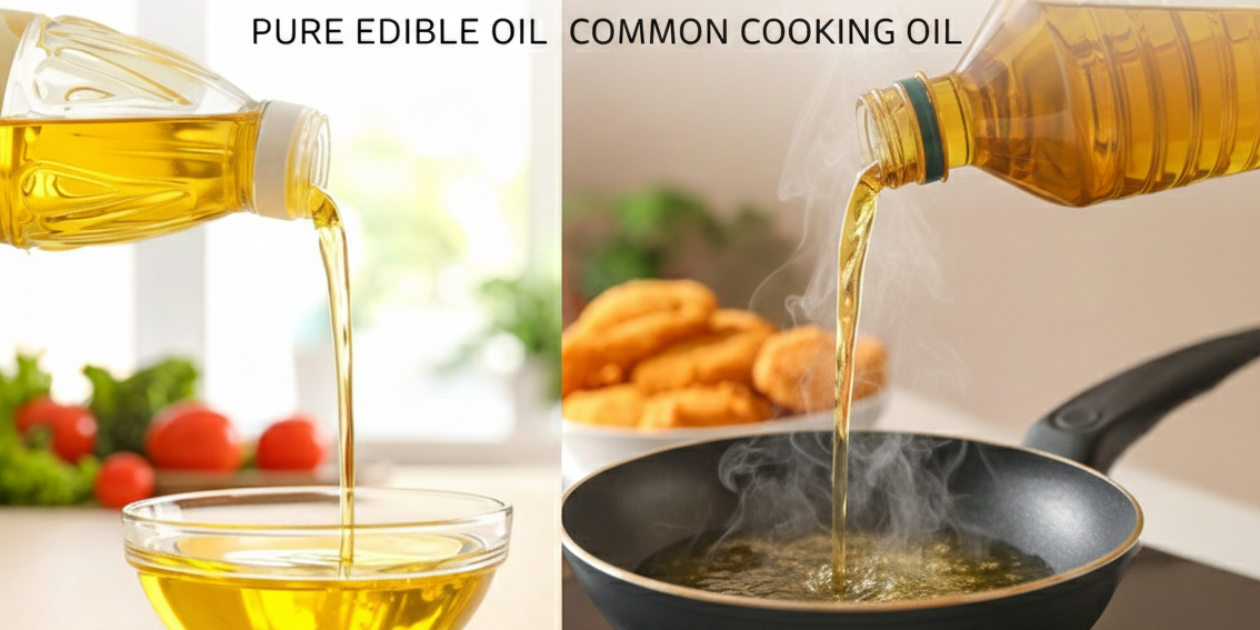
Choosing Oils Based Only on Price
Cheap does not always mean healthy. Low-quality oils often contain:
- Chemical solvents
- Artificial additives
- Lower purity
A slightly higher-priced pure oil is far better for long-term health.
Using the Same Oil for All Purposes
Different recipes need different oils, but most households use just one type for everything.
Better Approach
- Olive oil for salads and light cooking
- Mustard oil for traditional dishes
- Coconut oil for frying
- Sunflower or canola for daily meals
This ensures taste, nutrition, and health benefits.
Not Reading the Label Carefully
Many people buy oil without checking what’s written on the bottle.
Key Things to Check
- Ingredients
- Purity
- Processing method
- No artificial additives
- Manufacturing and expiry date
Labels reveal exactly what you’re feeding your family.
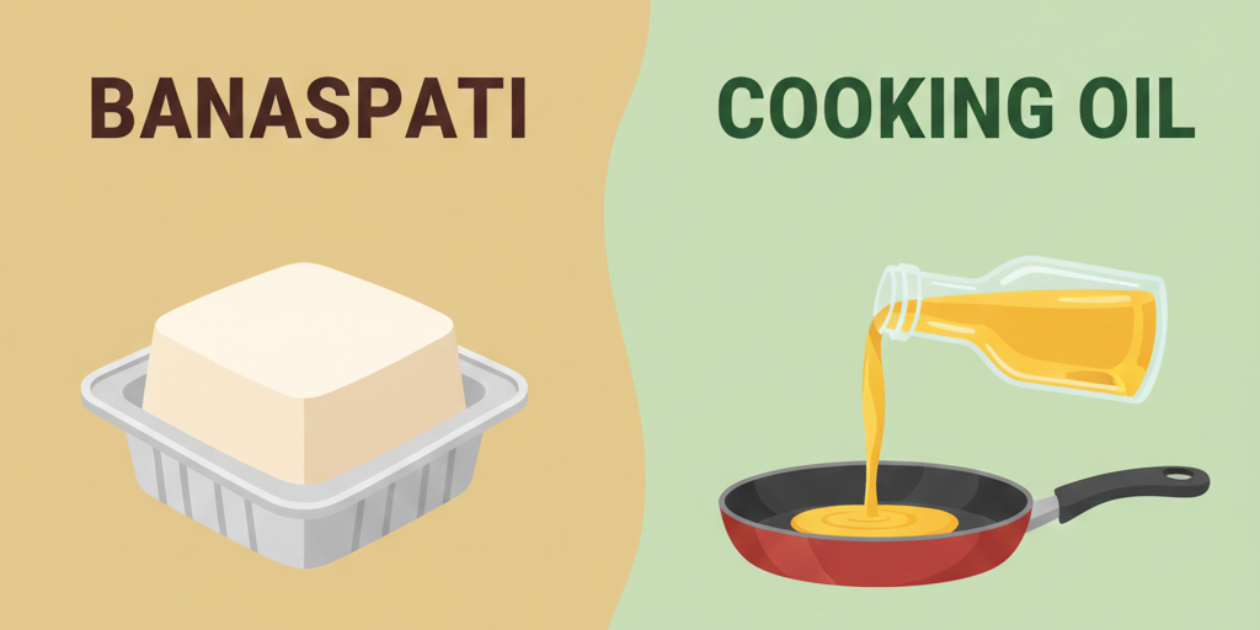
Using Hydrogenated Oils (Banaspati)
Hydrogenated oils are convenient but extremely unhealthy. They contain trans fats, which are linked to:
- High cholesterol
- Heart disease
- Inflammation
Replacing banaspati with pure ghee or premium cooking oils makes a huge difference in family health.
Reusing Fried Oil Multiple Times
Many homes reuse fried oil to save money, but this is dangerous.
Why It’s Harmful
Reheated oil:
- Produces toxins
- Increases trans fats
- Affects heart health
- Changes the taste of food
It’s better to use fresh oil for frying and avoid storing used oil.
Choosing Flavored Oils Unnecessarily
Some oils are sold with artificial flavors—like “butter-flavored” or “masala-flavored.” These additives may contain chemicals that reduce the oil’s purity.
Pure oils without artificial flavor are always the healthier choice.
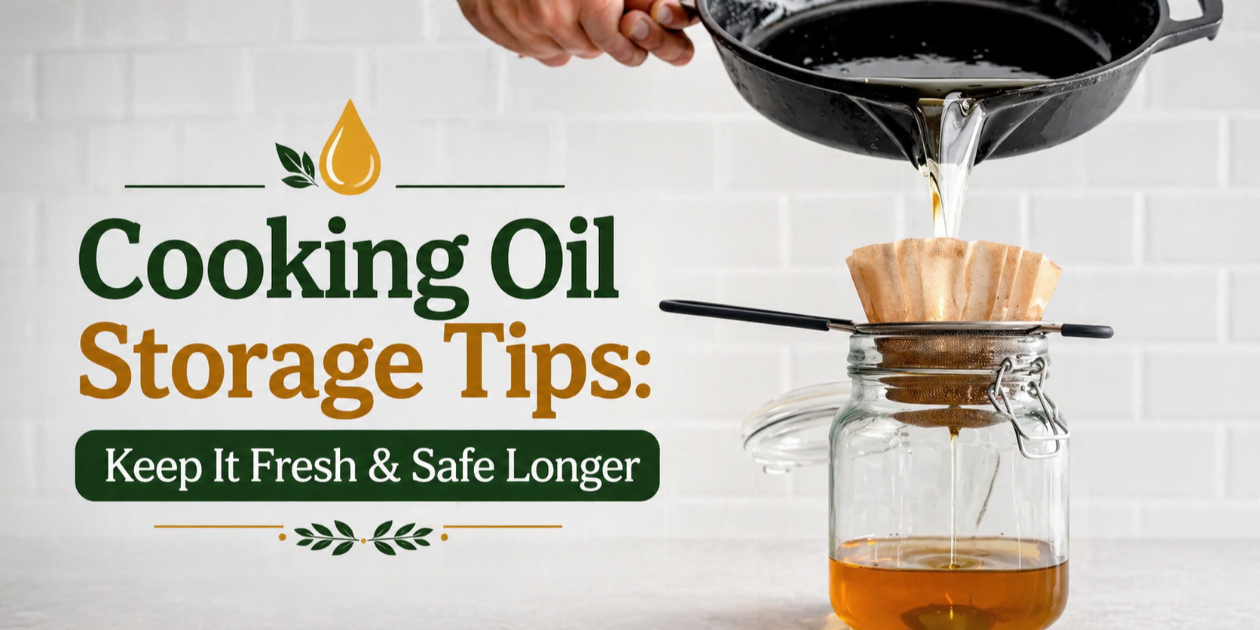
Storing Oil Incorrectly
Even the best oil loses quality if stored poorly.
Common Mistakes
- Keeping oil near the stove
- Storing in plastic bottles
- Exposing oil to sunlight
These conditions cause oxidation, making oil rancid.
Best Storage Tips
- Keep oil in a cool, dark place
- Use glass or steel containers
- Close the lid tightly after use
Following Trends Instead of Needs
Some people use trendy oils just because they’re popular, even if they’re not suitable for their cooking style. What works in Western kitchens may not always suit desi recipes. Choose oils based on your family’s health needs, cooking habits, and taste preferences.
Assuming All Healthy Oils Are Safe for Frying
Just because an oil is healthy doesn’t mean it’s good for high-temperature cooking.
Examples
- Extra virgin olive oil is healthy, but not ideal for frying
- Coconut oil and sunflower oil are excellent for high heat
Knowing this difference prevents nutrient loss and harmful breakdown.
Not Rotating Oils
Using the same oil for months means your body misses out on the different nutrients other oils offer.
Why Rotation Works
Different oils have:
- Different vitamins
- Different healthy fats
- Different benefits
Rotating oils builds a more complete diet.
Conclusion
Choosing the right cooking oil isn’t complicated—it just requires awareness. By avoiding these common mistakes, you protect your family from harmful fats, chemicals, and unnecessary health risks. The goal is simple: choose pure, high-quality oils, understand how to use them properly, and rotate them wisely. A small change in your cooking oil can lead to a big improvement in long-term health.
Share on Social Media
Recommended For You









Readers Also Viewed These Articles

