Why B2B Businesses, Bakers, and Restaurants Trust Bulk Cooking Oil from a Certified Refinery
Date: Jun 08, 2026
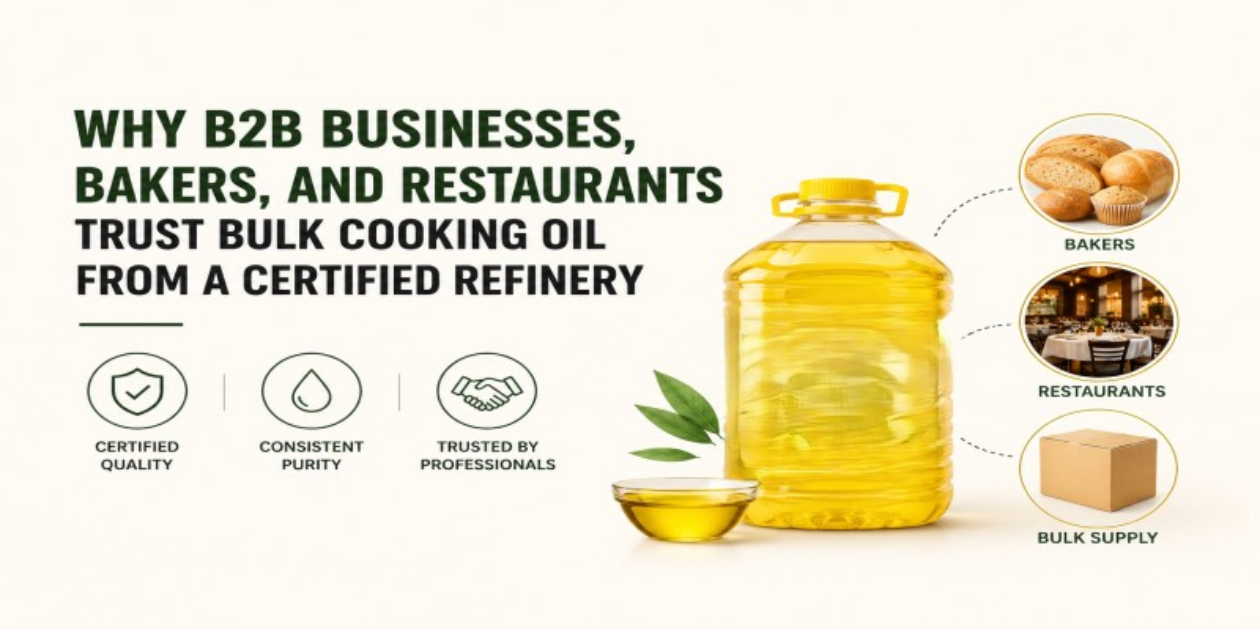
For commercial kitchens, high-volume bakers, and industrial food manufacturers, cooking oil is not just a basic ingredient; it is a critical driver of product consistency, taste profile, and operational profitability. When preparing food at a commercial scale, choosing where to source bulk cooking mediums becomes a foundational business decision that directly impacts customer satisfaction and regulatory compliance. Instead of relying on local distributors or unverified open-market wholesale options, top-tier food establishments consistently choose to secure their supply directly from a certified manufacturing facility. Sourcing your bulk cooking mediums directly from a primary refinery like Madina Pvt Ltd establishes an uncompromised standard of product stability, regulatory peace of mind, and financial efficiency that traditional middleman supply chains simply cannot duplicate.
Consistency in Smoke Point and Culinary Performance
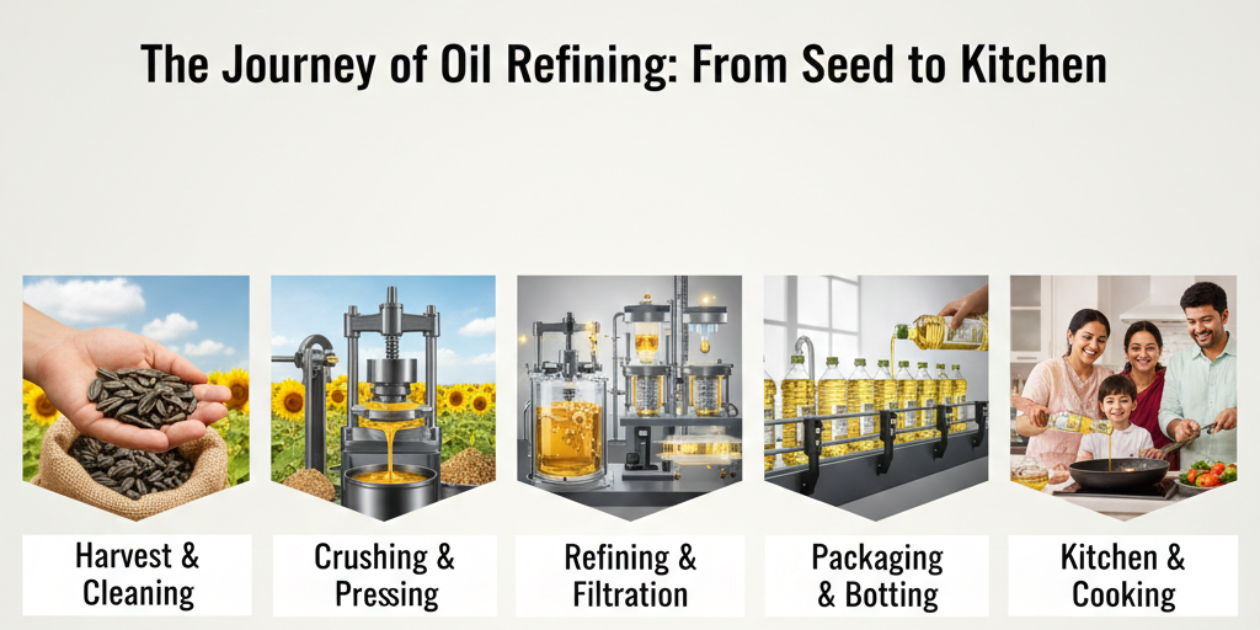
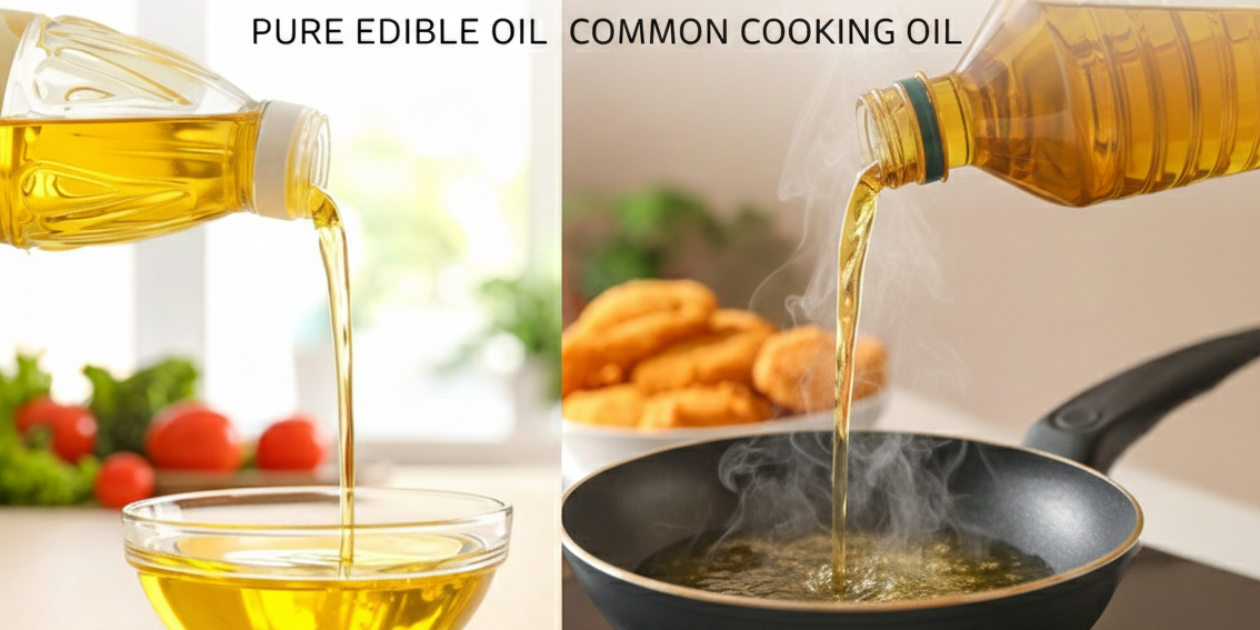
Commercial deep frying and industrial baking subject cooking oil to extreme, continuous thermal stress over prolonged periods. In these high-pressure environments, minor variations in oil composition can result in premature smoking, rapid oil breakdown, and an unwanted bitter flavor transferring to the food. An industrial facility operates with precise automated refining steps that remove volatile free fatty acids and trace impurities, ensuring every large batch maintains an identical, elevated smoke point. For a commercial kitchen, this structural stability means fried items consistently achieve the same crisp texture and golden color every single day. By utilizing oil that performs uniformly under heavy shifts, professional chefs and industrial bakers can confidently maintain their signature food quality without worrying about sudden oil degradation.
Strict Regulatory Compliance and Traceability
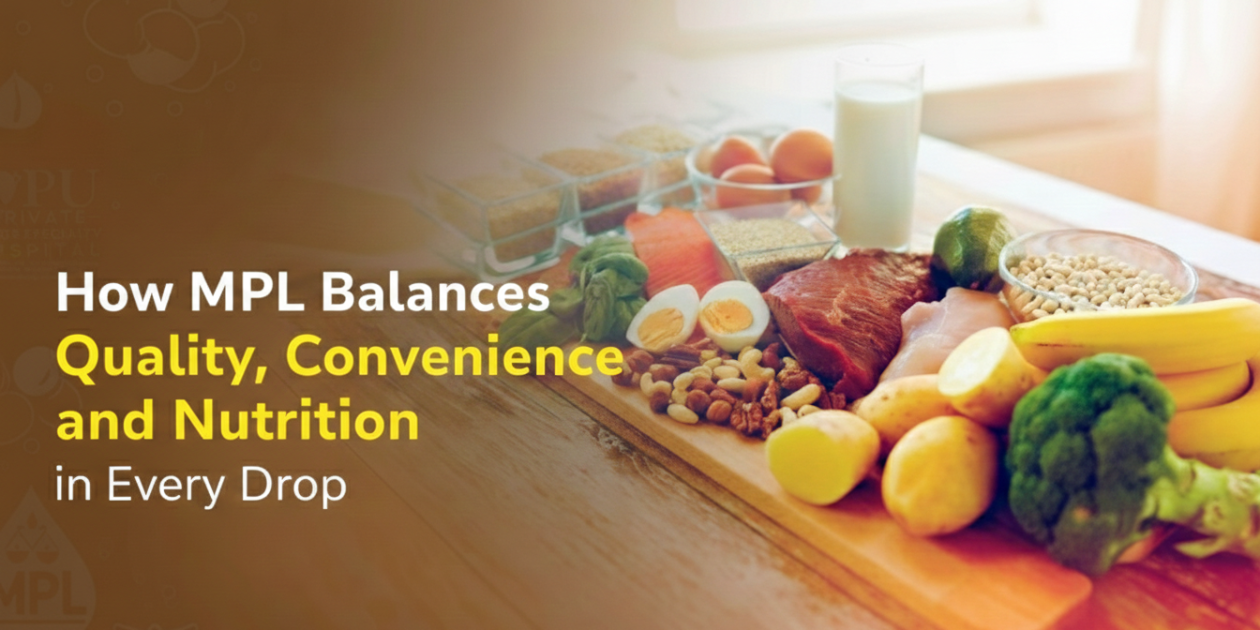
In modern food service operations, regulatory bodies and food safety authorities maintain strict hygiene benchmarks that require transparent proof of ingredient sourcing. Buying loose or unbranded oil from open wholesale markets exposes commercial operations to severe risks of product adulteration, poor handling conditions, and unexpected compliance penalties. A verified refinery provides comprehensive batch documentation, food safety certifications, and clear raw material traceability with every bulk delivery. This institutional transparency ensures your business easily fulfills provincial food authority requirements during standard facility audits. To see how these rigorous manufacturing values extend into everyday products, food service managers can explore how we balance quality, convenience, and nutrition in every single drop of our production by reviewing our editorial on How MPL Balances Quality. Furthermore, commercial partners looking to verify our corporate background and operational standards can read our complete organizational portfolio in the About Us portal.
Extended Shelf Life through Professional Bulk Packaging
The way bulk cooking oil is handled and packed at the factory level dictates how long it can be stored without experiencing oxidation or rancidity. Certified refineries utilize industrial-grade, hermetically sealed tins, heavy-duty drums, and dedicated outer packaging materials that completely block out light, ambient moisture, and air. This industrial packaging process protects the large volume of oil during transit and long-term warehouse storage, keeping the product entirely fresh until the seal is broken. For bulk buyers like commercial bakers and food chains, this extended storage stability minimizes ingredient spoilage and allows for confident inventory planning, ensuring that large-scale food production never grinds to a halt due to compromised raw materials. Aligning with an infrastructure that guarantees this operational excellence matches perfectly with our long-term objectives detailed within the About us Vission statement, which pledges to uplift local industrial standards through uncompromised product delivery.
Long-Term Cost Predictability and Financial Efficiency
Operating a profitable food business requires careful control over raw material costs, especially when managing high-volume ingredients like edible oils. Purchasing bulk supplies directly from a primary refinery eliminates intermediate distributor markups, hidden handling fees, and logistical inefficiencies, offering direct factory-tier pricing. Beyond the direct upfront discount, establishing a direct supply relationship with a major manufacturer gives commercial buyers better price predictability in volatile agricultural markets. This stable commercial procurement structure allows hospitality businesses, corporate bakeries, and restaurant chains to lock in consistent ingredient expenses, safeguard their profit margins, and focus entirely on scaling their food operations. Additionally, our industrial supply capabilities are systematically integrated with low-impact logistics and eco-conscious refining procedures, which are fully documented in our report regarding Sustainability.
Conclusion
Securing a reliable, high-performing bulk cooking oil supply is a cornerstone requirement for running a successful, high-volume commercial food enterprise. By bypassing intermediate brokers and choosing to source inventory directly from a certified manufacturing refinery, commercial food businesses effectively insulate themselves from quality fluctuations, regulatory non-compliance, and volatile market pricing. The combination of verified thermal stability, strict traceability documentation, extended shelf-life packaging, and direct factory pricing makes refinery procurement the most sensible choice for forward-thinking culinary brands. In an industry where reputation depends entirely on the flavor and safety of the food served, partnering with an established refining facility provides the foundational quality assurance that enables commercial operations to grow steadily and sustain consumer loyalty over the long term
Share on Social Media
Recommended For You























Readers Also Viewed These Articles

