Difference Between Banaspati and Cooking Oil
Date: Jan 10, 2026
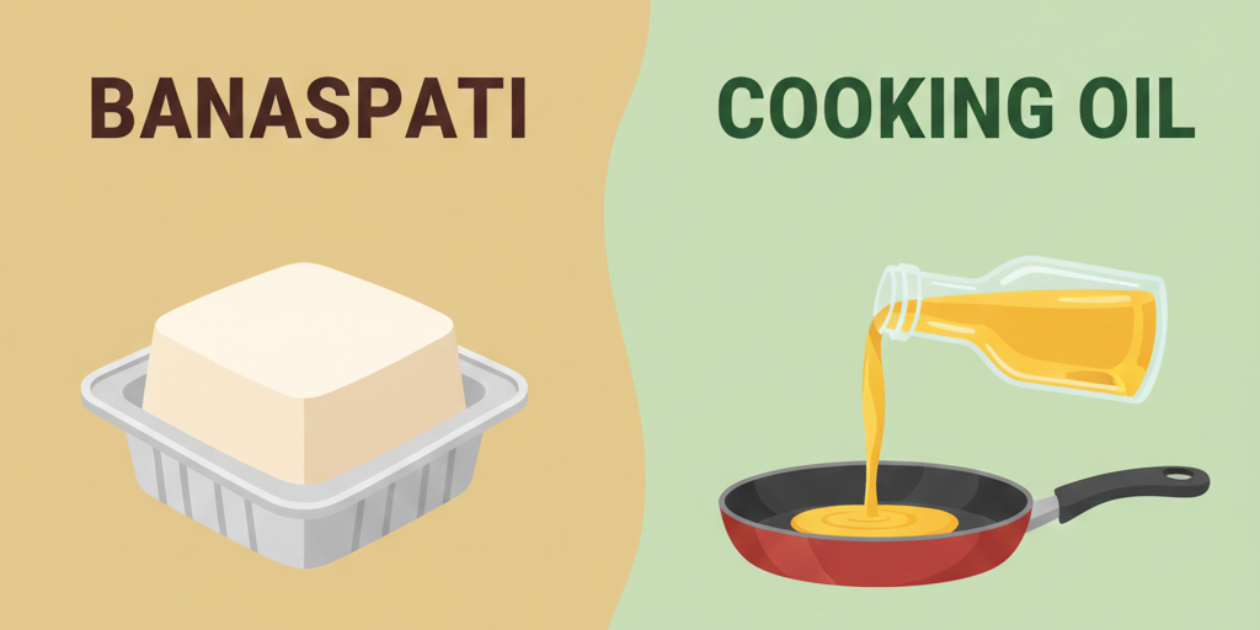
Choosing the right cooking fat is an important decision for every household. In Pakistan, banaspati ghee and cooking oil are commonly used in daily meals, yet many people are unsure about the real differences between them. Understanding how they are made, how they affect health, and where each is best used can help you make better choices for your family. This simple guide explains the difference between banaspati and cooking oil easily and practically.
What Is Banaspati?
Banaspati is a semi-solid cooking fat made through a process called hydrogenation. This process turns liquid vegetable oils into a solid or semi-solid form, giving banaspati its familiar texture and longer shelf life. It is widely used in traditional cooking, especially for frying, baking, and making desi sweets. Banaspati adds a rich taste and aroma to food, which is why it remains popular in many households and commercial kitchens. However, the hydrogenation process can create trans fats, which are known to have negative effects on heart health when consumed in excess.
What Is Cooking Oil?
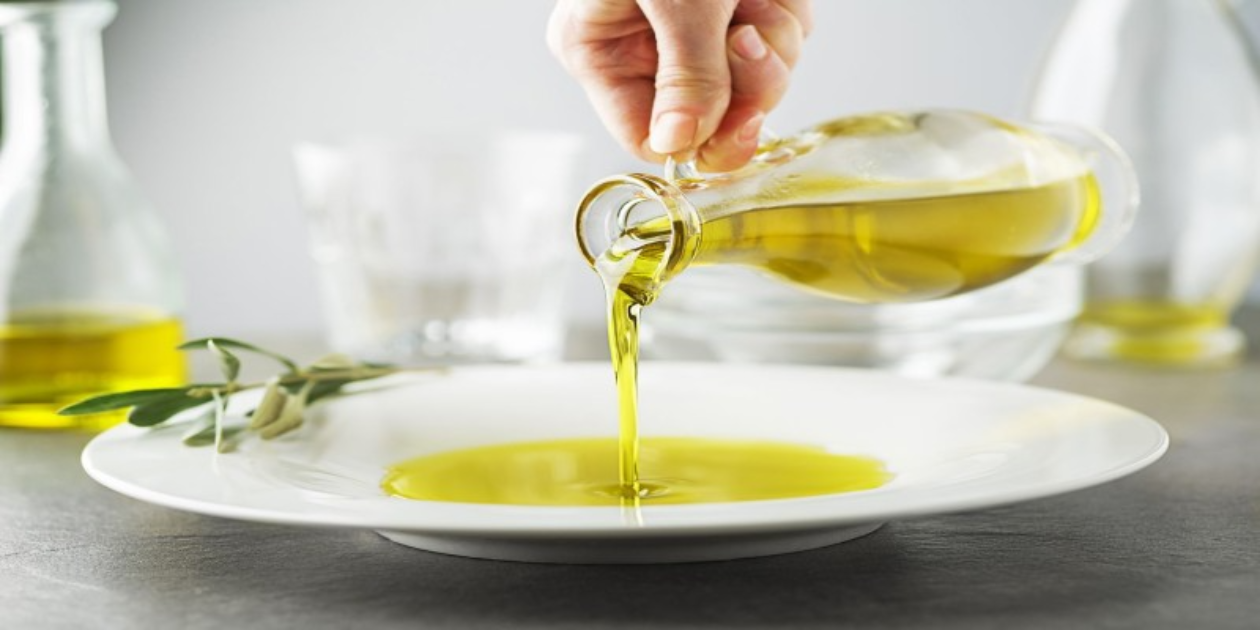
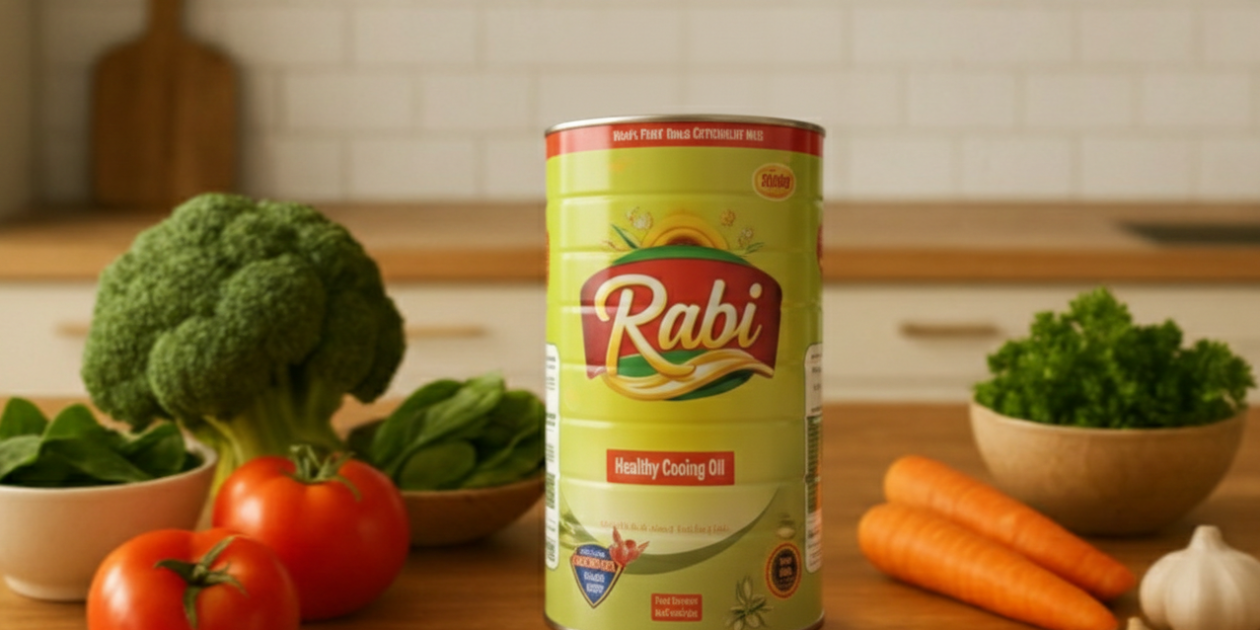
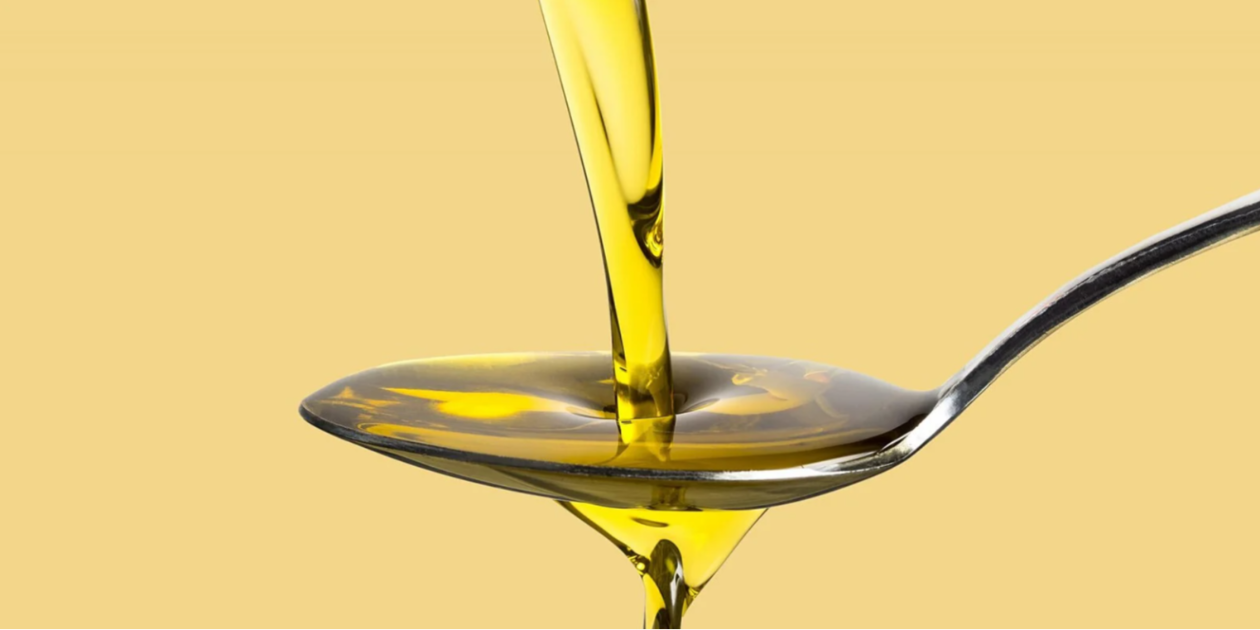
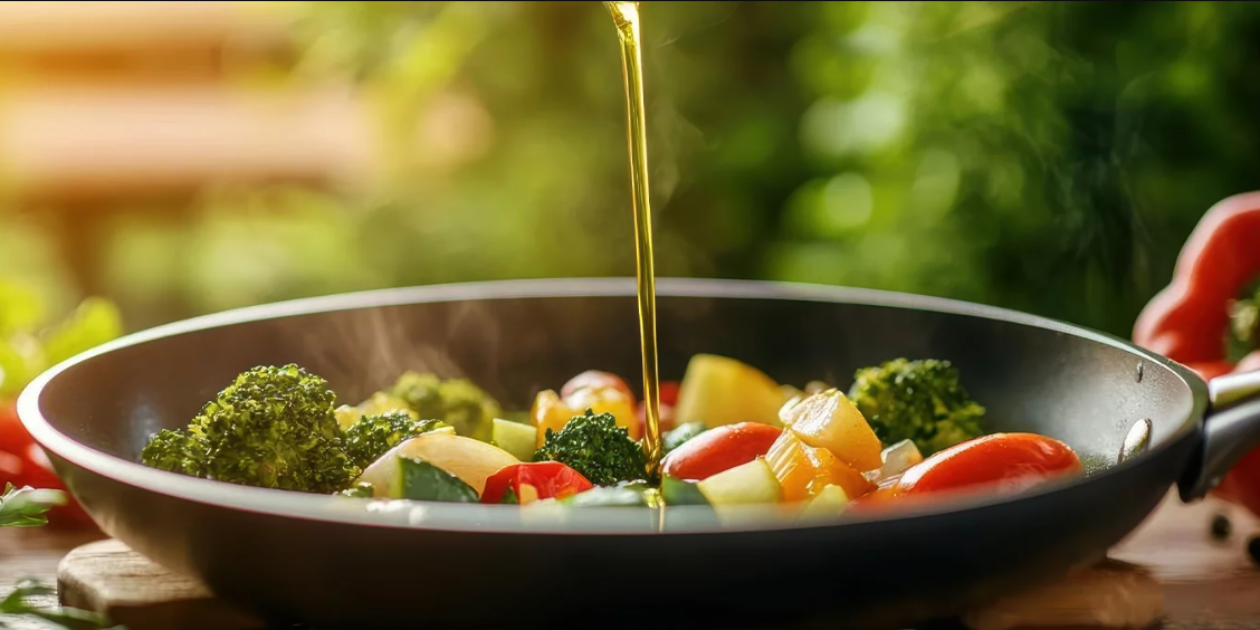
Cooking oil is usually extracted from plant sources such as sunflower, canola, soybean, or corn. Unlike banaspati, cooking oils remain liquid at room temperature and go through less processing. Most cooking oils contain unsaturated fats, which are considered healthier for regular use. They are commonly used for sautéing, shallow frying, stir-frying, and everyday meal preparation. Cooking oils are generally lighter, easier to digest, and better suited for people who are conscious about maintaining a balanced diet.
Key Differences Between Banaspati and Cooking Oil
Processing Method
Banaspati is heavily processed through hydrogenation, while cooking oil undergoes minimal processing compared to banaspati.
Texture
Banaspati is semi-solid, whereas cooking oil is liquid at room temperature.
Fat Composition
Banaspati often contains trans fats and higher saturated fats. Cooking oils mainly contain unsaturated fats, which are considered better for heart health.
Health Impact
Regular consumption of banaspati may increase the risk of heart-related issues if taken in large amounts. Cooking oil is generally considered a healthier option for daily use when consumed in moderation.
Taste and Cooking Use
Banaspati provides a richer taste and is preferred for deep frying, baking, and traditional dishes. Cooking oil has a lighter taste and is ideal for everyday cooking.
Which One Should You Use?
The choice between banaspati and cooking oil depends on your cooking needs and health priorities. Banaspati can be used occasionally for specific recipes that require rich flavor and texture. Cooking oil is a better option for daily meals due to its lighter nature and healthier fat profile.
For a balanced lifestyle, moderation is key. Understanding the difference helps you make informed decisions without eliminating traditional cooking practices.
Conclusion
Both banaspati and cooking oil have their place in the kitchen, but they are not the same. Banaspati offers taste and stability, while cooking oil provides a healthier option for everyday use. Knowing their differences allows you to choose wisely based on your family’s dietary needs and cooking habits.
Share on Social Media
Recommended For You
Readers Also Viewed These Articles

